How to Get Links from Podcasts, Interviews, and Media Features
Last updated: October 11, 2026
Key Takeaways
- Give editors one clear URL and one short reason to use it.
- Ask for the link before publication, in a single sentence.
- Make yourself easy to book, brief, and cite.
- Act like a source, not a marketer.
A feature can name you and still miss the link. Ask early, keep the URL clean, and make the editor’s job almost boring. That is the whole trick.
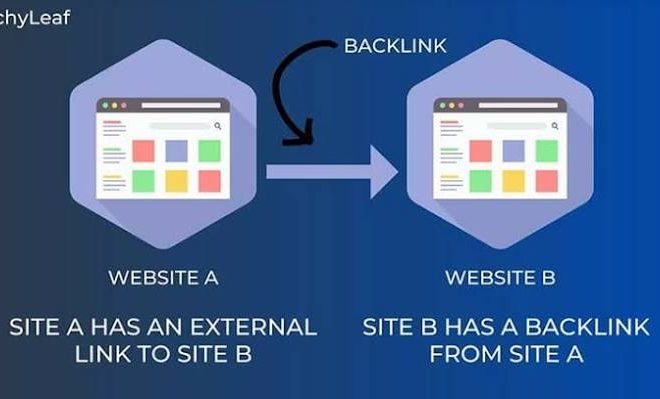
If you want links from podcasts, interviews, and media features, the shortest path is to ask in the right spot, with the right format, and with one ready-to-use asset before the piece goes live. Quick answer: in most cases, one clean URL requested before publication is enough to improve your odds. Most people lose the link because they treat publicity as exposure only; a publicist, editor, or SEO professional can help you judge the right timing and page to request. The link is usually won or lost in the booking pitch, the pre-interview packet, or the show notes draft. That is the practical core of how to get links from podcasts, interviews, and media features.
What actually gets linked in podcasts and media
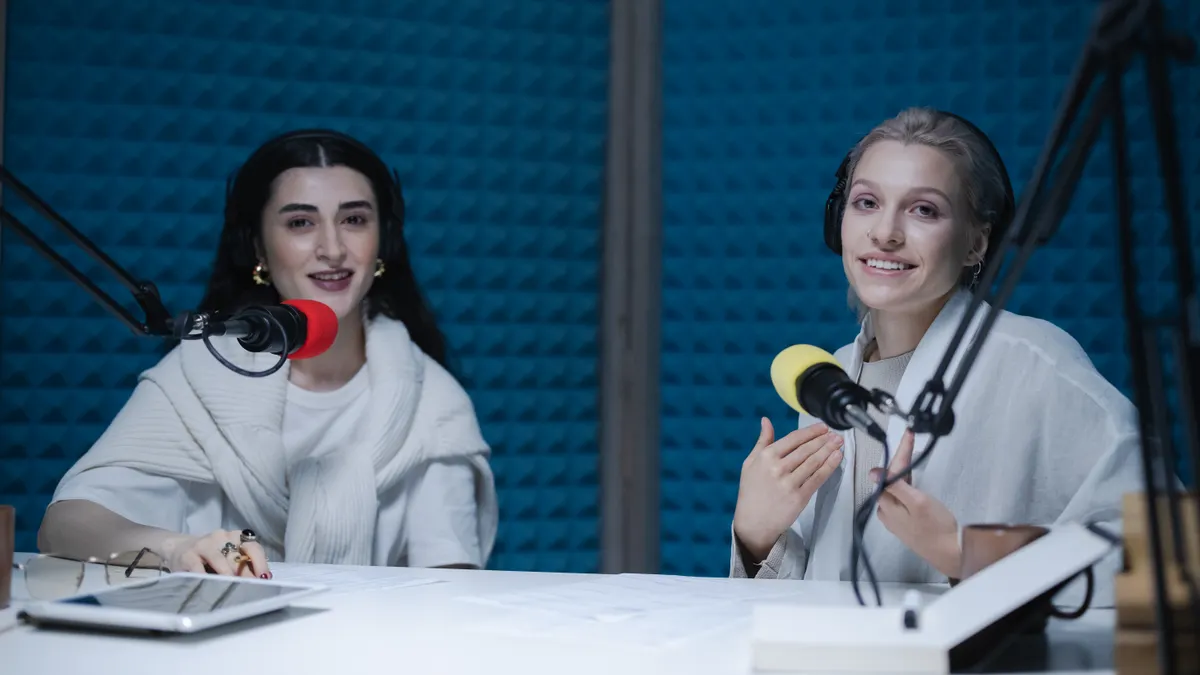
The link goes to whoever makes the editor’s life easiest, not whoever “deserves” it most. If you are the cleanest source to cite, the easiest guest to reference, or the person with the simplest URL to paste into a bio field, you have a better shot at the link. Say too much, and the link slips away.
If you are vague, hard to identify, or send five URLs and no guidance, the link often gets dropped.
The formats that usually earn links are simple:
- A personal homepage or author page
- A specific article or resource that supports the interview topic
- A company page with one clear call to action
- A media kit or press page with headshot, bio, and one preferred URL
On podcasts, the link often lands in episode notes, a transcript page, or the guest bio. In a written interview or roundup, it may show up in the author bio, the quote attribution, or the body copy. Mainstream media is pickier; it may skip promotional pages, yet still link a source, a report, or a named organization. That pattern matters because the link type usually follows the format.
Here is the part generic advice misses: you do not want “any link.” You want the right link for the job. A homepage link is fine if the goal is brand discovery. A deep link works better if the goal is a conversion page or a resource people will actually use.
| Situation | Best Path | Why Other Options Fail |
|---|---|---|
| Podcast guest spot | Offer a preferred bio URL and one supporting link | Too many links creates friction; no link leaves you with only mention value |
| Written interview | Ask for an author bio link and one contextual source link | Hunting for backlinks in the body usually gets ignored |
| News feature | Provide a source page, report, or organization page | Promotional landing pages often get stripped out |
| Expert roundup | Give one canonical URL and a short credential line | Multiple candidate URLs slow the editor down |
Quick check: if the link would still make sense to a stranger reading the feature a year from now, you are aiming at the right page. That is also the simplest test for how to get links from podcasts, interviews, and media features without creating extra work.
How do you ask for the link without sounding pushy?
Ask before publication. One sentence, one preferred URL. If you wait until the piece is live, the editor has to reopen a finished workflow, and your odds fall fast. Send a long explanation about SEO or “link juice,” and you will often sound like you care more about the backlink than the audience. Wrong signal.
The timing is usually after the interview is accepted and before recording or drafting starts, or when the host asks for your bio. The wording can stay plain:
- “If helpful, my preferred URL for the bio is [URL].”
- “For show notes, one good link is [URL] because it supports the topic.”
- “If you want a source page, I can send one clean link rather than several.”
If the outlet has a formal media intake form, use it. When they ask for “website,” give the exact page you want linked when that page best fits the story, not your homepage by default. A stronger headline, faster load time, and clearer offer can make a different page the better choice.
The mistake to avoid is turning the ask into a negotiation. Do not demand anchor text. Do not argue if they prefer a branded link. Do not bury the request in a seven-paragraph pitch. Editors and producers think in minutes, not in SEO theory.
Use this 5-step path when you are still pre-publication:
- Pick one target URL and one backup URL.
- Make sure the page loads fast and matches the topic.
- Send a 2–3 line bio with the preferred link embedded in plain form.
- Ask for the link in the notes, bio, or source section before the piece is drafted.
- Confirm the live URL after publication within 24–48 hours.
If the publication uses a CMS that supports a “website” or “source” field, fill it in exactly as you want it used. If they use an interview brief in Google Docs, paste the link there once, cleanly. Quick check: if your request could be read aloud in 10 seconds, it is probably short enough.
If you’re pitching podcasts, here’s the link strategy that works
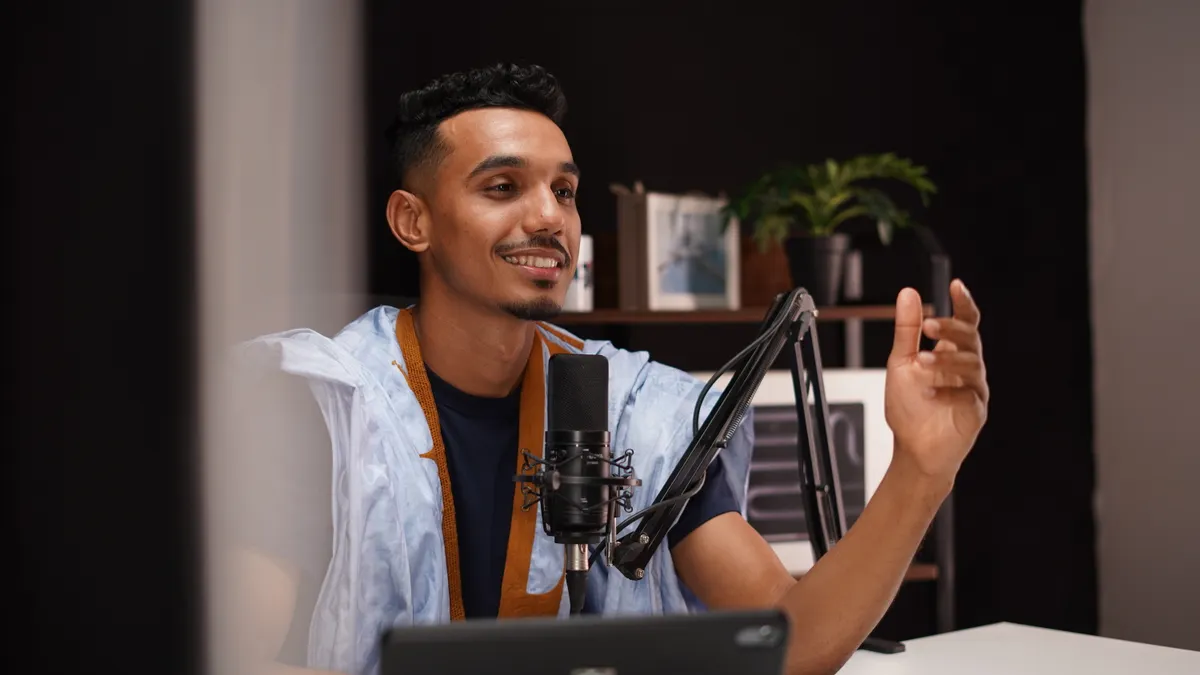
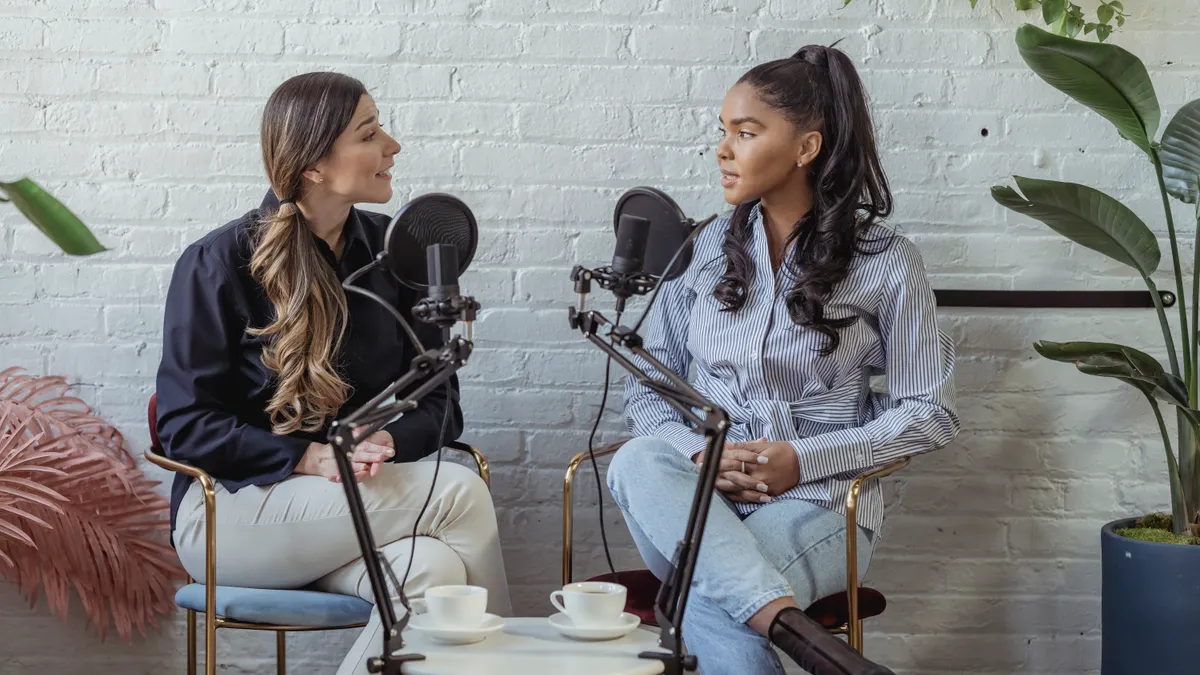
The link usually comes from making yourself easy to book, easy to brief, and easy to cite. Generic pitches can still get the invite, but the show notes may end up with a weak or wrong link. One topic, one proof point, one URL — that is the cleaner path.
For podcasts, I would split the link strategy into three jobs:
- Booking link — your site or media page
- Show-notes link — a page that fits the episode topic
- Follow-up link — a page listeners can use after the episode
If you are an author, consultant, or founder, your media page can be a better booking link than your homepage. It gives the producer your headshot, a short bio, topic bullets, and one preferred URL. If the producer wants a simpler path, they can paste that into the notes without hunting.
A good podcast link package usually includes:
- 1 short bio, about 50–75 words
- 1 longer bio, about 120–150 words
- 1 headshot in 1200 px or larger
- 3 topic bullets
- 1 preferred link and 1 backup link
- 1 sentence explaining why the link helps the listener
The mistake is trying to force a sales page into a topical episode. If the episode is about remote hiring, a guide, checklist, or page that directly extends that conversation is often a better fit. A checkout page may work only if the show is explicitly commercial. Otherwise, it’s a mismatch.
Use this 6-step path for podcast outreach:
- Choose podcasts whose audience already cares about your topic.
- Build one topic page that matches the episode theme closely.
- Create a media page with your bio, headshot, and one clean URL.
- Pitch a specific angle, not a vague introduction.
- During booking, offer the preferred link for show notes.
- After the episode goes live, verify the notes and transcript page.
Do not pitch 20 shows with the same pitch and the same homepage URL. I would not do that if the real goal is links that support search, attribution, or direct traffic. Quick check: if a producer could answer “what should I link?” without emailing you back, you are set up well.
How do you get media features to link instead of just mention you?
Act like a source, not a marketer. If a reporter needs a fact, a quote, a credential, or a document that can be cited in one click, they are more likely to link you. Promotional tone can get your quote kept and the link cut. Standard newsroom behavior.
For media features, the links often work best when they point to:
- A report, dataset, or original research page
- A founder bio or organization “about” page
- A credential page, speaker page, or university profile
- A source article that contains the exact claim you made
If your only page is a sales page, your odds drop. If you have a source page with citations, methodology, and a stable URL, your odds improve. A one-page press kit often beats a glossy homepage because it gives the journalist a clean target.
The hidden rule is relevance. Editors are more willing to link when the page they send readers to answers the same question the article does. A page about “how to hire your first designer” is easier to link in a startup article than a generic services page. Search intent matters even in PR, and it matters for how to get links from podcasts, interviews, and media features.
If you are trying to land a feature in a magazine, trade publication, or local outlet, use this sequence:
- Find the exact angle you can genuinely support.
- Prepare one source page with clear facts, credentials, or proof.
- Offer a quote that does not sound like an ad.
- Supply the one URL you most want linked and explain why it supports the story.
- Check the live article and ask politely for a correction if the link is missing and was promised.
Do not assume a feature automatically means a link. Many publications link selectively, and some intentionally nofollow or reduce outbound commercial links. That does not make the feature useless. It means the link has to earn its place. Quick check: if your page can stand as a source on its own, you are closer to a linked feature.
The 5 conditions that change everything
The right approach changes based on the type of outlet, the role of the link, and how editorial the piece is. Ignore those conditions, and you will use the wrong ask and get a weaker result.
- If the outlet is highly editorial, ask for a source link, not a promotional link.
- If the format is a podcast, prioritize show-notes placement over in-episode mention.
- If the feature is a guest post or expert roundup, a bio link is usually easier than a body link.
- If the page you want is commercial, expect resistance and offer a more informational page instead.
- If the outlet uses a strict style guide, keep the URL simple and avoid tracking clutter in the link you send.
Here is the honest trade-off: the more editorial the placement, the less control you get over anchor text and exact destination. If you need exact anchor text, a podcast or guest-contributed piece is usually a better fit than a hard news feature. If you care more about authority than exact link attributes, a media mention from a stronger outlet may be worth more than a weaker but perfectly optimized link.
| Situation | Best Path | Why Other Options Fail |
|---|---|---|
| Strict newsroom feature | Offer a source page or report | Sales pages get rejected or de-emphasized |
| Independent podcast | Ask for show-notes URL | Anchor text control is usually limited |
| Guest column | Use a bio link plus one topical page | Body-copy links compete with editorial flow |
| Industry roundup | Give one canonical homepage or profile | Too many choices slow the editor |
| Local media interview | Provide a simple, fast-loading about page | Overbuilt media kits can be ignored |
Quick check: if the outlet’s job is journalism first, request informational links; if the outlet’s job is audience growth first, you may have more room to request a promotional destination.
When the standard advice is wrong
The standard advice is wrong when it tells you to “just get any backlink” or “make a media page” and stops there. A media page is useful, but not if it is the wrong page for the story. Any backlink is not good if it points to a dead-end page that does nothing for the reader.
Use a different path in these edge cases:
- You are a new brand with no authority yet → what changes: editors need trust more than polish → what to do instead: link to a founder profile, a credential page, or a cited article, not a thin homepage.
- You are a local business → what changes: the audience is location-based → what to do instead: link to your location page, service area page, or local resource, not a national blog post.
- You are on a topic that touches health, money, or law → what changes: fact-checking gets tighter → what to do instead: link to a source page with citations and add a professional review if appropriate.
- The host offers only a verbal mention → what changes: the format may not support a clickable link → what to do instead: ask for the episode notes, transcript page, or newsletter recap instead.
- The publication uses nofollow or sponsored labeling → what changes: SEO value may be reduced → what to do instead: value the referral traffic, authority, and brand search lift, not just link equity.
- Your best page is a gated asset → what changes: editors dislike dead ends for listeners → what to do instead: use an ungated summary page and offer the gated asset as an optional second step.
This is where patience matters. I would not push for a perfect SEO link if it makes the feature harder to publish. A clean mention with a strong referral path can beat a messy fight over anchor text. Quick check: if your situation has compliance, editorial, or local constraints, default advice is probably too simple.
A simple workflow that gets you more links over time
The link is easier to earn when you stop treating each appearance as a one-off. If you create the same small set of assets every time, you make yourself easier to feature and easier to cite. That compounds.
Build this stack so your next podcast, interview, or media feature is easier to convert:
- 1 media page
- 1 topic page
- 1 source page
- 1 short bio
- 1 longer bio
- 1 headshot
- 1 preferred URL
- 1 backup URL
According to a 2024 Pew Research Center study, 86% of U.S. adults get news from digital devices at least sometimes, which is one reason linkable source pages matter. Reuters Institute’s 2024 Digital News Report also shows podcasts remain a large and growing discovery channel in many markets, so episode notes can still send meaningful referral traffic. Those numbers matter because they show where people actually read, listen, and click.
Over a 90-day cycle, aim to collect:
- 3 podcast bookings
- 2 written interviews
- 1 media feature
- 1 updated source page
- 1 monthly link check
That cadence gives you repeated chances to improve the same assets. If one page earns links twice in 30 days, it is probably the page to keep using. If one outlet never links, it may still be worth the mentions, but you can stop treating it as a link source.
For internal planning, connect your feature strategy to related resources such as /guest-post-outreach/, /media-kit/, /digital-pr/, and /podcast-guesting/. Those pages support the same workflow and help you reuse the same assets across different outlets.
The last step is measurement. Track whether the link was placed, where it appeared, and whether it pointed to the page you asked for. If a show notes link gets 40 visits and a feature link gets 4, you will know which placements deserve more effort. That is how how to get links from podcasts, interviews, and media features turns into a repeatable process instead of a one-time win.
For external guidance, Google’s Search Central documentation on links and linking best practices is a useful reference, and the FTC’s endorsement guidelines matter whenever a feature includes compensation or disclosure. Those rules do not replace editorial judgment, but they do keep your requests and placements cleaner.
Drafted with AI; not yet reviewed by a person.